Why Your Toilet Keeps Running
A running toilet wastes water at the meter around the clock, and the fault nearly always sits inside the cistern. When your toilet keeps running, one of three parts is either letting water escape or filling past its mark, and the sound tells you which. Here is how to read the signs around Aspley, and where the law draws the DIY line.
If we're late, $100 comes off your bill

- Licensed and InsuredEvery job done by a licensed plumber. QBCC No: 15024607
- Fixed Quote FirstFlat-rate pricing, agreed before any work starts
- Lifetime Labour WarrantyBacked by our Fix-It-or-It's-Free guarantee (T&Cs apply)
- $0 Call-Out FeesNo extra charge for nights, weekends or public holidays
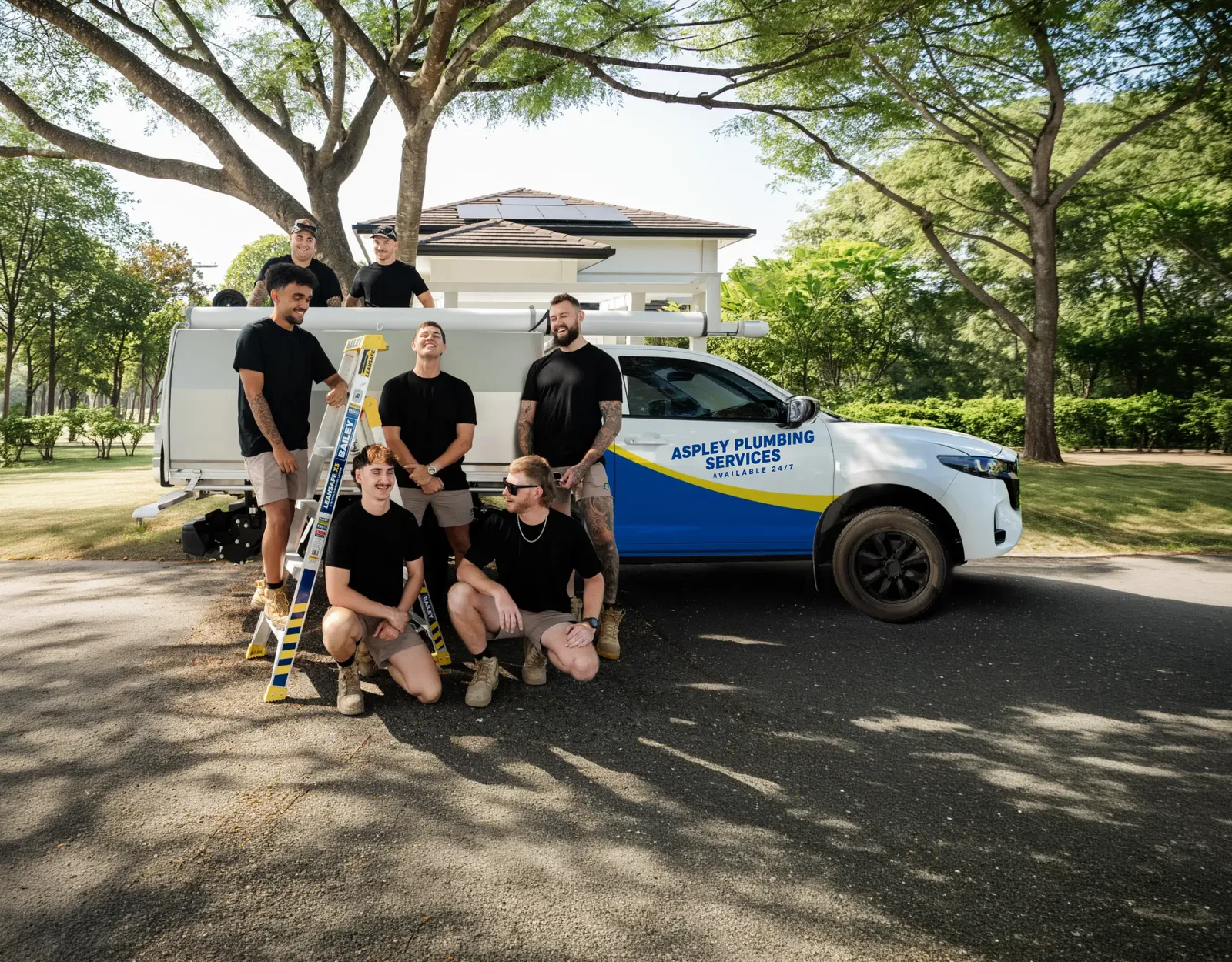
Cisterns fitted anywhere from the 1960s through to the early 2000s fill the suburb's bathrooms, so worn internals turn up in homes of every vintage. A licensed plumber handles the lot; the guide below tells you what you're most likely looking at first.
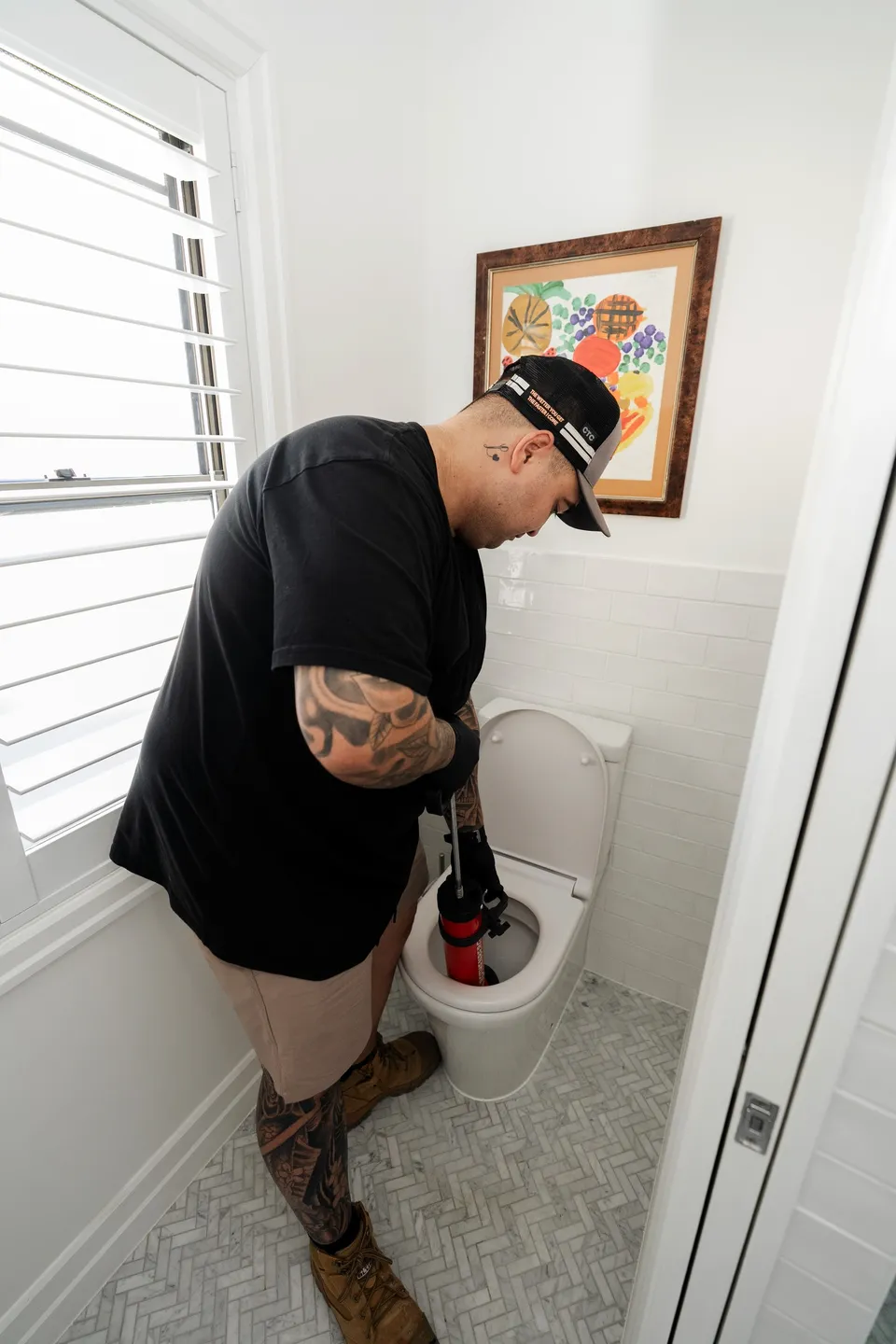
The Three Causes of a Running Toilet
Three faults cover nearly every case, and each leaves its own signature:
- an inlet valve that never stops the refill;
- a flush valve seal worn enough to let water slip into the pan between flushes;
- a water level high enough to spill through the overflow.
Each fault sounds different. A hiss or trickle that continues after the cistern has refilled points to an inlet valve failing to close. A cistern topping itself up every few minutes, or water creeping down the back of the pan, points to the seal.
Water running from an overflow pipe, including a drip showing up outside the wall, means the level has crept past its mark. The overflow's job is to dump that surplus before it reaches the floor.
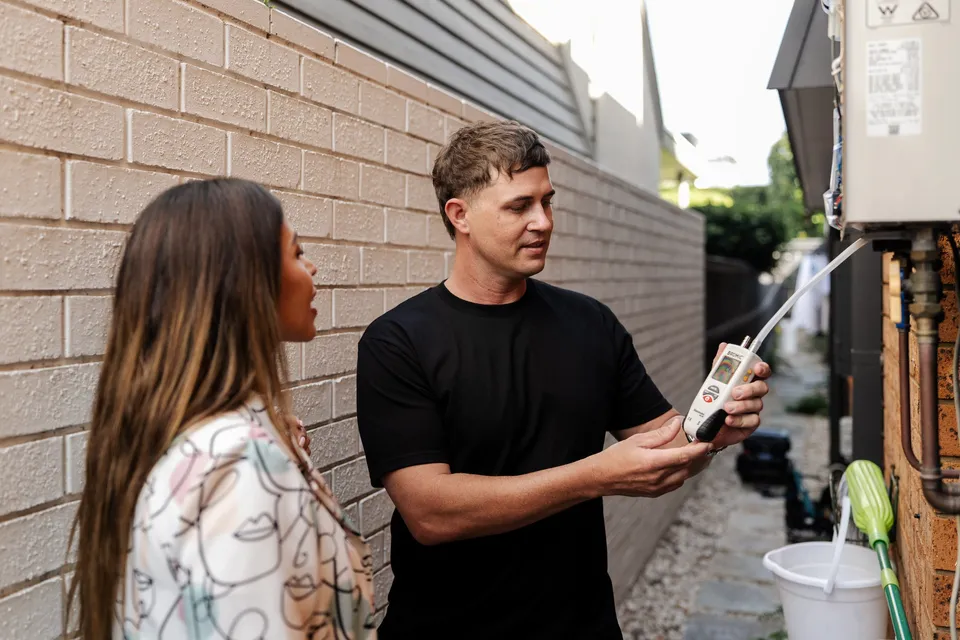
Water Runs but the Cistern Stays Low
A cistern that won't fill usually comes down to an inlet valve clogged or worn out, a float adjusted too far down, or an isolating tap half open at the wall. The tap takes seconds to check, so rule it out first.
The opposite symptom reads differently: water runs hard, yet the level never climbs. A leaking flush valve seal can be losing every litre the inlet valve adds, so the cistern never gets ahead.
Sluggish filling sits in the same family. Inlet valves that take longer and longer to finish, or never finish at all, are on their way out and will not recover on their own.
What Colour in the Bowl Tells You
Dye in the cistern names the culprit without any tools. Run the check like this:
- Drop enough food colouring into the cistern to tint the water clearly.
- Resist every flush while the colour sits.
- Tint showing up in the bowl means water is escaping from the cistern into the pan unflushed, and the flush valve seal is the prime suspect.
- Flush the colour away once the reading is done, because ceramic bowls come away unstained.
A clean bowl tells you the flush valve is holding. Attention then shifts to the inlet valve and the water level.
No colouring in the kitchen? Press one dry sheet of toilet paper to the back of the bowl, above the waterline. Water sneaking down the back of the bowl wets it, which points to a leaking toilet.
Where Home Owner Toilet Repairs Stop
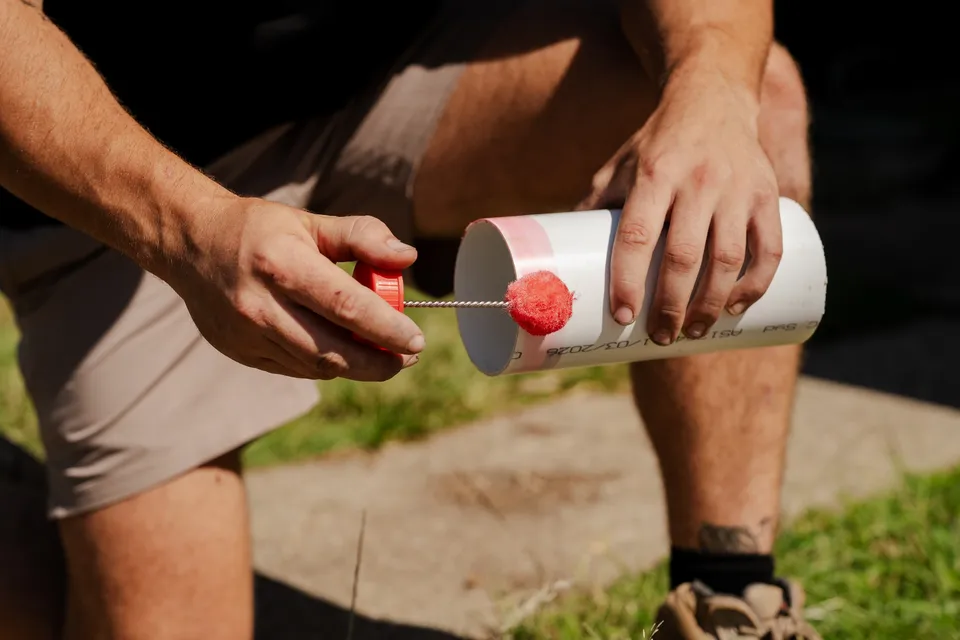
Queensland's regulator, the QBCC, names three cistern parts as unregulated work anyone may tackle: the drop valve washer, the float valve washer and the suction cup rubber. The doer needs the appropriate knowledge and skill, and the finished job must still comply with the plumbing standards.
Everything else on a toilet counts as minor work, reserved by Queensland for a QBCC licensee. No permit and no Form 4 apply, but the licence requirement never lifts.
Rentals follow the tenancy rules: the owner or property manager must keep the place in good repair, and the tenant must report faults promptly. A running cistern sits outside the Act's emergency list, which names a blocked or broken toilet only, so the repair counts as routine and happens within a reasonable time.

Who Pays for Water a Cistern Wastes
No, the concealed leak adjustment Urban Utilities offers does not extend to water a cistern wastes. Leaking taps, hot water systems and similar appliances are excluded too, so a cistern running day and night lands on the account at full volume.
Primary responsibility for leaks on a property, and for the losses they cause, rests with the property owner. Running the dye test early costs nothing and settles the question before a full quarter's usage piles up.
When to Call a Plumber About a Running Toilet
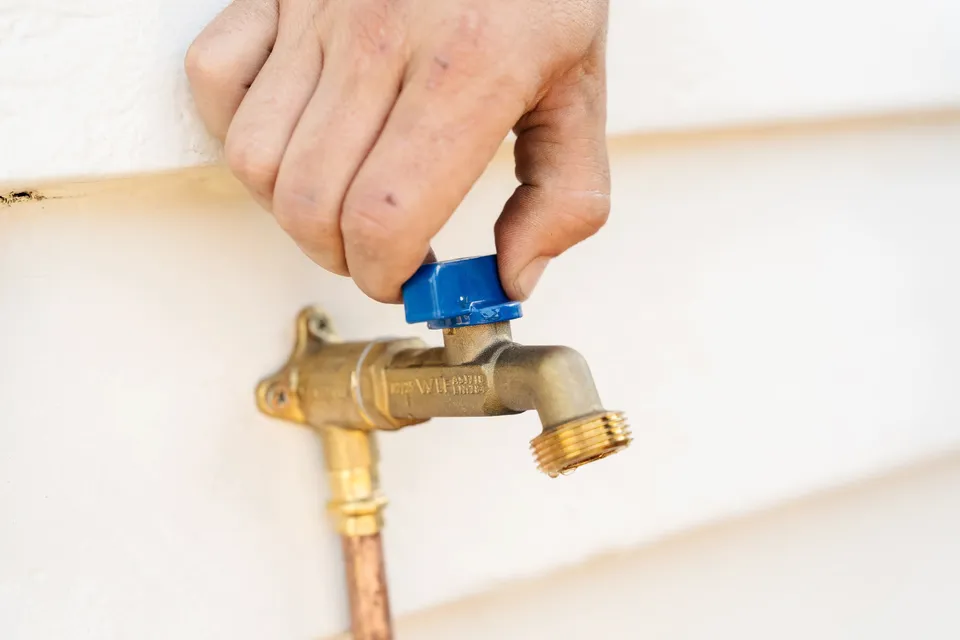
Book a plumber once colour reaches the bowl, the hiss outlasts the refill, or water runs from the overflow. Cisterns fitted across the suburb's building stretch have had decades to wear, and a trickle that has started rarely stops by itself.
The full repair service, from cistern internals to a rocking pan, is on our toilet repairs page.
Running Toilet Questions Answered
Call (07) 3524 7137Can I fix a running toilet myself in Aspley?
Yes, for three parts only: a drop valve washer, a float valve washer or a suction cup rubber. The QBCC treats those as unregulated work for anyone with the appropriate knowledge and skill, and the job must still meet the standards. The rest of a toilet's repairs require a QBCC licensee.
Will Urban Utilities cover a running toilet on my Aspley bill?
No, the concealed leak adjustment excludes water lost through leaking cisterns. The property owner carries primary responsibility for leaks and their losses, so the wasted water stays on the account until the fault gets fixed.
What is the overflow in a toilet cistern?
An overflow is the outlet that carries surplus water out of the cistern instead of letting it spill onto the floor. If the inlet valve will not close off, or the float sits too high, the water climbs to that outlet and runs away through it.
What does it cost to fix a running toilet in Aspley?
Two factors dominate the price: which part has failed, and how easily the cistern and its isolating tap can be reached. The exact figure is confirmed in a fixed quote before work begins.

Book Us for a Running CisternWe'll call you back.
Phone (07) 3524 7137 for a licensed plumber in Aspley. We work under QBCC No: 15024607, with flat-rate pricing, no hidden fees and same-day where we can.
To claim your $0 call-out fee, call (07) 3524 7137 today.